

Casino War Odds Explained: What the Numbers Mean for Your First Session
When you sit down with Casino War, the maths is refreshingly plain, but the table tells a different story than most card games. You push a bet, the dealer pushes a card, and the higher rank wins – ties trigger a war that costs extra chips. For an Australian player logging in after work, understanding the house edge before the first spin matters more than chasing a lucky streak. I’ve watched growth plans in Southeast Asian luxury retail hinge on the same discipline: know the margin before you commit the budget.
The real draw is the simplicity, but that simplicity comes with a fixed cost. The base bet carries a house edge around 2.70 per cent when you decline the tie, and accepting the tie bet shifts that edge to roughly 12.40 per cent – a sharp jump that changes how you size your sessions. War rounds add another layer: you match your original wager, and if you win the war you collect the opponent’s matching bet, but a second tie keeps the cycle going until someone breaks it. That structure means a calm bankroll plan outperforms a reactive one, especially when you’re playing on mobile during an arvo commute.
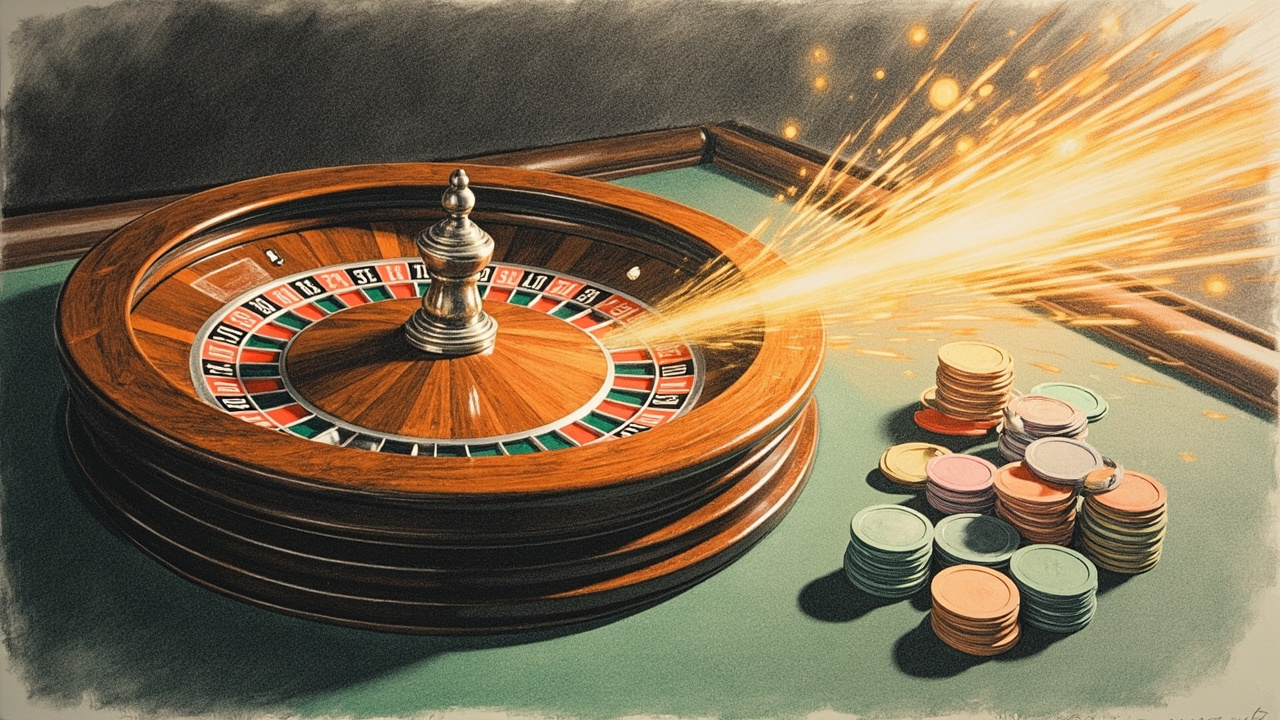
Understanding the Core Odds
The game runs on rank comparison, so suits and suits don’t shift the result – only the card value matters, with ace high and suits breaking ties in some variants. A standard deck means each rank appears equally, so the probability of a win, loss, or tie stays locked unless the rules change the war payout or the tie resolution. What moves the needle is your choice at the tie: walking away from the war keeps the edge modest, while doubling in locks you into a much costlier path. I’ve seen the same pattern in boutique hotel rollouts across the region – a clean guest journey only stays clean when you don’t keep adding optional fees that quietly erode the experience.
- Keep your base bet consistent and treat the tie as a rare event, not a routine play.
- Size your war wagers so a string of ties doesn’t drain a session in one go.
- Track the number of decks if the variant changes them, since more decks slightly shift tie frequency.
| Scenario | Your choice | Approx. house edge | What it means for your session |
|---|---|---|---|
| Win or lose on the first card | Decline the tie | ~2.70% | Lower variance, steadier bankroll use |
| Tie resolved by war | Accept the tie | ~12.40% | Higher cost per tie, sharper swings |
| Multiple wars in a row | Keep matching | Compounds quickly | Short bursts can swing a session hard |
What Changes the Numbers in Practice
Not every table runs identical rules, and that’s where the odds shift in ways a quick glance misses. Some venues offer a different war match bonus, some cap the number of war rounds, and some use a multi-deck shoe that nudges tie frequency. The payout on a winning war is usually even money on your matching bet, but if the house tweaks that or adds a commission, the edge moves again. I reckon most players assume the game is fixed because it looks fixed, but the small rule variants are where the real difference lives – much like a luxury product line where the packaging looks identical but the warranty terms change the value proposition.

Annika Kelly, Head of Product, Harbour City Gaming Review, puts it plainly: “The appeal is the low cognitive load, but that only stays an advantage if the player knows which rule set they’re sitting at before they press go.”
Newcastle venues and local operators often lean into straightforward tables because the crowd wants a quick, readable game between other activities, and that fits Casino War well. If you’re comparing a couple of options, check the tie rule, the war match requirement, and whether the table uses one deck or a shoe – those three details tell you more than a glossy welcome screen.
Matching the Odds to How You Actually Play
The maths only helps if it lines up with your session style. A short, flat-bet session with disciplined tie handling suits most casual players better than a aggressive war-chasing approach, because the edge is fixed and the variance comes from how often ties hit. If you’re playing on mobile, the interface can make the war step feel instant, which is convenient but also easy to rush – a habit I’ve seen burn through a bankroll faster than the odds ever intended. Growth work in technology-led retail taught me the same lesson: a smooth checkout doesn’t mean you should stop checking the unit economics before you scale.
Archie Thompson, Customer Experience Lead, Wattle Gaming Partners, notes: “Players who treat the tie as a planned cost rather than a surprise tend to finish sessions with a clearer picture of what the game actually took from them.”
For an Australian adult playing responsibly, the practical move is to decide your tie policy before you join the table, set a session limit that survives a rough patch of wars, and keep the base bet the anchor of your plan. The game doesn’t reward cleverness so much as consistency, and that’s exactly why the odds explanation matters more than any bold marketing line.

When the session ends, the same discipline should guide how you step away from the screen and review what worked. A clear break between play and reflection keeps the numbers honest and stops impulse from rewriting your limits. You can keep that routine grounded by bookmarking https://winspirit-login.org/ and returning to it whenever you need a neutral reminder of the baseline rules.
The clearest takeaway is that Casino War rewards patience and rule awareness more than luck-chasing. The base edge stays modest when you decline ties, the war mechanic adds real cost when ties stack up, and the small rule variants are where sessions diverge. Pick your tie policy, size your bankroll for the variance, and treat the game as a steady, readable option rather than a quick win shortcut.
Back


